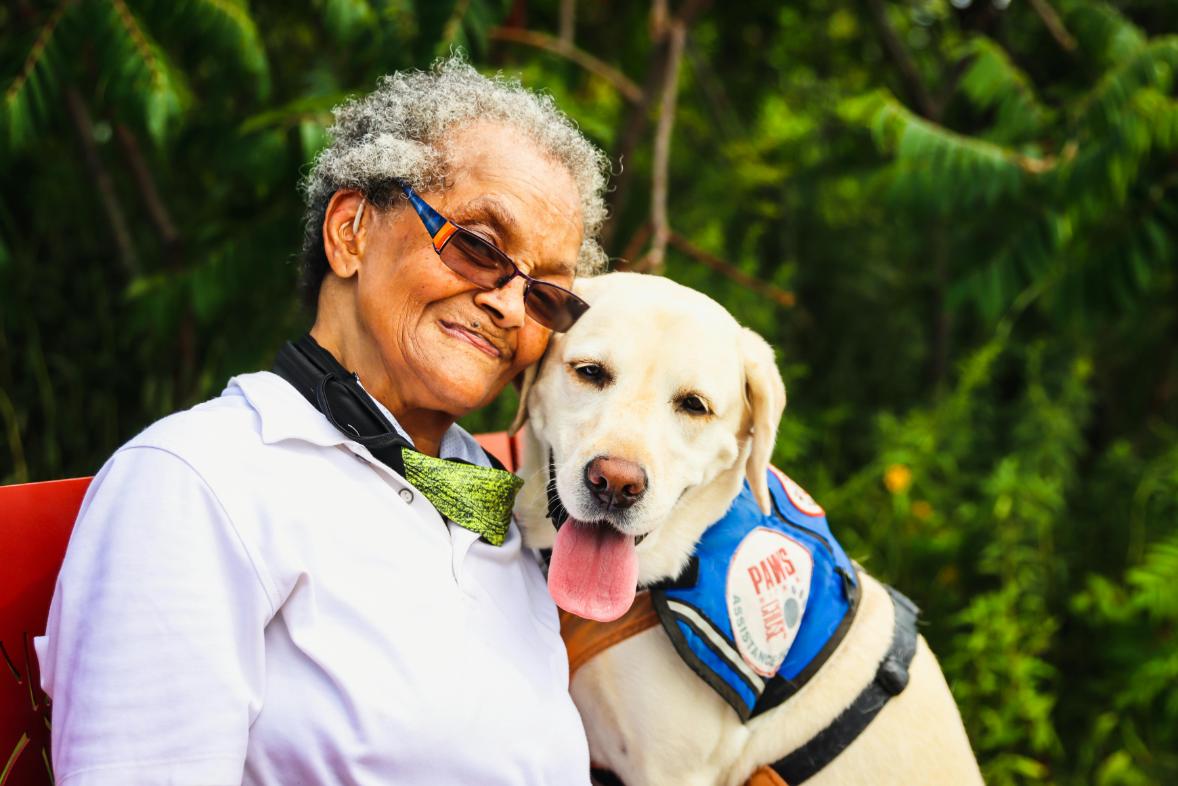

Palliative care and end-of-life care are often used as if they mean the same thing, and that confusion can make a hard time harder. Palliative care is care that focuses on comfort and quality of life for someone with a serious illness, and it can start at diagnosis. End-of-life care is the part of palliative care that applies when someone is nearing the end of their life. This guide explains how they differ, when each begins and how families can prepare.
What Is the Difference Between Palliative Care and End-of-Life Care?
Palliative care is the broader term. It supports people living with a life-limiting illness, such as advanced heart or lung disease, cancer, Parkinson's disease or dementia, and it can last months or years. Marie Curie explains that having palliative care does not mean someone is likely to die soon, and that some people receive it for years.
End-of-life care is the final phase of that support. Marie Curie says it is usually offered to people thought to be in their last year of life, with the focus on comfort, dignity and meeting wishes.
A simple way to picture it: all end-of-life care is palliative care, but not all palliative care is end-of-life care. Our guide to how long palliative care lasts looks at why timescales vary so much.


What Does Palliative Care Include?
Palliative care aims to relieve symptoms and improve quality of life, not to cure the illness. The World Health Organisation defines it as an approach that prevents and relieves suffering through early identification and assessment of pain and other problems, whether physical, psychological or spiritual.
In everyday terms, that means managing pain, breathlessness, nausea, poor appetite and tiredness. It also covers emotional support, practical help and spiritual care, whatever a person's beliefs. Families are supported too, with information and time to talk.
NHS Inform notes that palliative care focuses on helping you live as well as possible with a life-shortening condition. It is delivered by a team, which may include doctors, nurses, carers and specialist services.
When Does End-of-Life Care Begin?
There is no exact moment. Clinicians usually describe end-of-life care as applying to the last year of life, when a person's health is declining and their illness is expected to progress. It can be hard to be precise because illnesses such as dementia and heart failure change slowly and unpredictably.
The final stage has its own name in Scotland. The Scottish Palliative Care Guidelines quote the national strategy, which calls it "care around dying": care for a person in the last hours, days or a few weeks of life, focused on comfort and supporting people close to them into bereavement.
Signs that someone may be entering this stage can include increased sleepiness, eating and drinking much less, and growing weakness. Doctors and nurses assess these changes and will explain what they mean for the individual.
Does Palliative Care Mean Treatment Has Stopped?
No, and this is one of the most common misunderstandings. Palliative Care Scotland says palliative care is not synonymous with death and can be delivered alongside active treatment where that is appropriate.
Someone might receive palliative support while still having medication, therapy or hospital treatment for their condition. The aim is simply to add another layer of support, with symptoms managed and wishes recorded.
Marie Curie notes that a doctor or nurse may suggest palliative care because they want to make sure a person has all the support they need. It is worth hearing that as an offer of extra help, not a sign that care is being withdrawn.


When Should Palliative Care Start?
Earlier than most people expect. It can begin at the diagnosis of a serious illness, and it often becomes more important as symptoms increase, hospital admissions become more frequent, or day-to-day function declines.
Practical triggers include pain or breathlessness that is hard to control, repeated infections, weight loss, or a recent move into a care home with a long-term condition. For people with dementia, increasing difficulty eating or swallowing and frequent falls may prompt the care team to talk about palliative support.
Starting early gives time to understand what matters to the person while they can still say so. It also means symptoms are managed before they become distressing, which is easier on everyone.
How Does Palliative Care Work in a Care Home?
Many people receive palliative care in their care home, where they are already known and settled. NHS Inform describes this as general palliative care, provided by the person's usual care team, including their GP, nurses and care staff.
When needs become more complex, specialist palliative care is available through independent hospices or NHS specialist services in some areas, and these teams can support people in their care home. Palliative Care Scotland describes this as generalist care delivered by care home staff, with specialist expertise accessible from any setting.
Future care planning is central. NHS Inform highlights it as important, and it means recording what the person wants: where they would like to be cared for, who should be involved, and what treatment they would or would not want. Care staff provide comfort and daily support, while decisions about medicines and treatment remain with doctors.
How Can Families Prepare and Support Someone Receiving Palliative Care?
Start the conversation gently and early. Asking "What matters most to you?" is often easier than asking about illness, and it gives the person a chance to share fears and hopes. Write down what you learn so it can be shared with the care team.
It can help to think about practical wishes: where they want to be, who they want nearby, favourite music, faith or cultural traditions, and what they would like to avoid. These details shape care at every stage and can be reviewed as circumstances change.
Look after yourself too. Families often carry anxiety, and support is available. The Scottish Palliative Care Guidelines point to resources for people supporting someone who is dying, and care home staff can help you find them. Our article on person-centred care explains why knowing someone's preferences matters so much.

Frequently Asked Questions
What is the difference between palliative care and end-of-life care?
Palliative care supports people with serious illness from diagnosis and can last for years. End-of-life care is the part that applies when someone is nearing the end of life, usually in the last year.
Does palliative care mean someone is dying?
Not necessarily. Many people receive palliative care for months or years, and it can run alongside active treatment.
When does end-of-life care start?
It is usually considered to apply in the last year of life. The final hours, days or weeks are called "care around dying" in Scotland.
Can palliative care be given in a care home?
Yes. Care home staff, GPs and nurses can provide it, with specialist palliative services supporting when needs are more complex.
Who can suggest palliative care?
A GP, hospital doctor, nurse or care home team can raise it, and families can ask about it at any time.
If you are wondering whether palliative care might help someone you love, please know you can ask us anything. The team at Benarty View Care Home in Kelty is happy to listen, explain what support looks like and welcome you for a visit whenever you feel ready.
How Can Benarty View Support Families in Kelty and Fife?
Benarty View Care Home in Kelty provides palliative care with the aim of keeping residents comfortable, managing pain and symptoms effectively and maintaining dignity while respecting their wishes. A team of nurses and carers is available around the clock, and the home also offers guidance and comfort to families during a difficult time.
Palliative support sits alongside nursing care and dementia care, so care can change as needs change without a further move. You can see the rooms and suites and gardens, meet the team or read the FAQs. Our guide to choosing a care home in Fife covers what to ask on a visit, and you can check any Scottish home's inspection reports on the Care Inspectorate website.